The evidence is overwhelming that a whole-food, plant-based diet is the healthiest choice for the human body. By centering your meals around unprocessed fruits, vegetables, legumes, and whole grains, you aren't just cutting out animal products; you are fueling your cells with a powerhouse of fiber, antioxidants, and essential phytonutrients. This lifestyle isn't about restriction—it's about abundance and prevention. Decades of nutritional science show that this approach can effectively lower blood pressure, stabilize blood sugar, and even reverse the progression of chronic conditions like heart disease. Choosing whole plant foods is the most direct way to reclaim your vitality, boost your energy levels, and invest in a future of long-term wellness.
Animals are often not treated humanely by the industrial food system. Transitioning to a plant-based lifestyle offers a powerful way to align your plate with your values, providing a compassionate alternative to the intensive confinement and standardized cruelty prevalent in factory farming. By shifting the demand away from these industrial systems, you actively vote for a world where sentient beings are no longer treated as mere commodities or cogs in a machine. This choice does more than just spare lives; it promotes a food culture rooted in empathy and respect for all living creatures, proving that we can nourish ourselves deeply without causing unnecessary suffering.
A whole-food, plant-based diet has a significantly lower environmental impact. Adopting this way of eating is one of the most impactful personal actions you can take to protect our planet's finite resources. Industrial animal agriculture is a leading driver of deforestation, habitat loss, and water scarcity, requiring vast amounts of land and energy to produce a fraction of the calories provided by plants. By choosing whole plant foods, you drastically reduce your personal carbon footprint and water usage, helping to preserve biodiversity and mitigate the effects of climate change. It is a sustainable path forward that ensures we can feed a growing global population while staying within the ecological boundaries of the Earth.
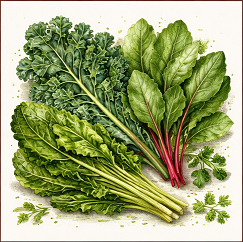
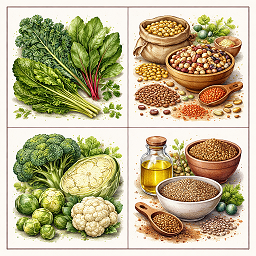
Leafy Greens
Kale, spinach, chard: These are the undisputed heavyweights of nutrition. They contain more nutrients per calorie than any other food. They provide nitrates for heart health, lutein for eye health, and are a primary source of plant-based calcium and iron.
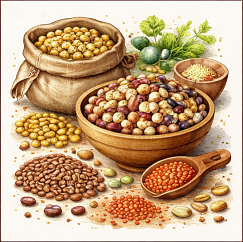
Legumes
Lentils, black beans, chickpeas:In terms of life expectancy, legumes are the most important predictor of longevity. They are your primary source of protein and fiber, stabilizing blood sugar and feeding the "good" bacteria in your gut.
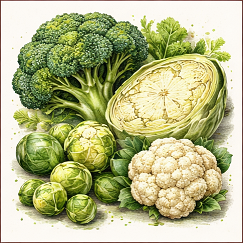
Cruciferous Vegetables
These contain sulforaphane, a compound that helps the body detoxify and has been shown to inhibit the growth of cancer cells. They are essentially a "biological insurance policy".

Ground Flax Seeds
Flaxseeds are the #1 source of lignans (which help balance hormones) and are incredibly rich in Omega-3 fatty acids. They are ranked high because they are a concentrated source of specific nutrients often missing in modern diets.
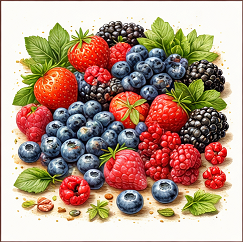
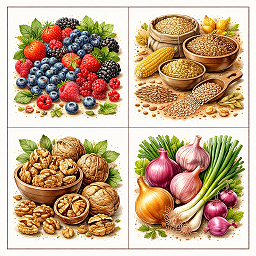
Berries
Berries have the highest antioxidant content of any fruit. They are "brain food," shown in studies to delay cognitive decline and protect the lining of your blood vessels.
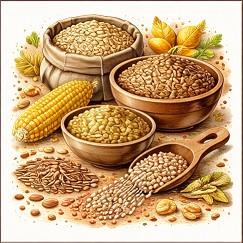
Intact Whole Grains
Oats, quinoa, brown rice: Unlike flour, "intact" grains keep the fiber and germ together, slowing digestion. They provide the necessary carbohydrates to fuel your brain and muscles without causing insulin spikes.
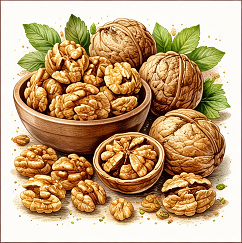
Walnuts & other nuts
Walnuts specifically are the "king of nuts" for WFPB because of their high Omega-3 and antioxidant content. A small daily serving is linked to significantly lower risks of heart disease.
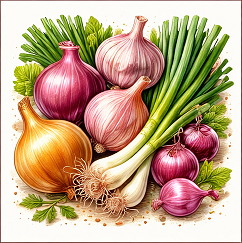
Allium Vegetables
These contain organosulfur compounds that support the immune system and help prevent the formation of carcinogens. They are the "flavor foundation" that also happens to be a health powerhouse.
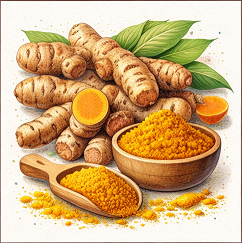
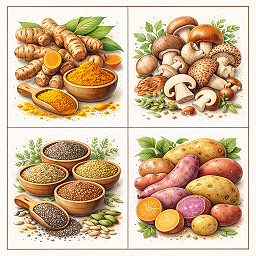
Turmeric
With black pepper: While technically a spice, turmeric is so anti-inflammatory that many experts treat it as a food group. It helps manage chronic inflammation, which is the root of most Western diseases.
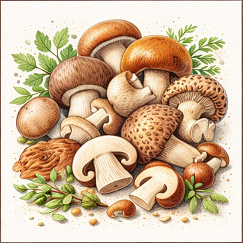
Mushrooms
Mushrooms contain unique fibers (beta-glucans) and an amino acid called ergothioneine that protects DNA. They are powerful immune modulators.

Chia and hemp seeds
Similar to flax, these provide a "clean" source of fat and protein. They are vital for maintaining healthy skin, hair, and cellular function without relying on processed oils.

Starchy Tubers
Potatoes often get a bad rap, but in their whole form (baked/boiled, not fried), they are incredibly satiating and provide essential potassium and Vitamin C. They are the "bulk" that makes a plant-based diet sustainable.